
Healthy foods Key Takeaways
When people think of healthy foods , they often imagine bland salads or boring steamed vegetables.
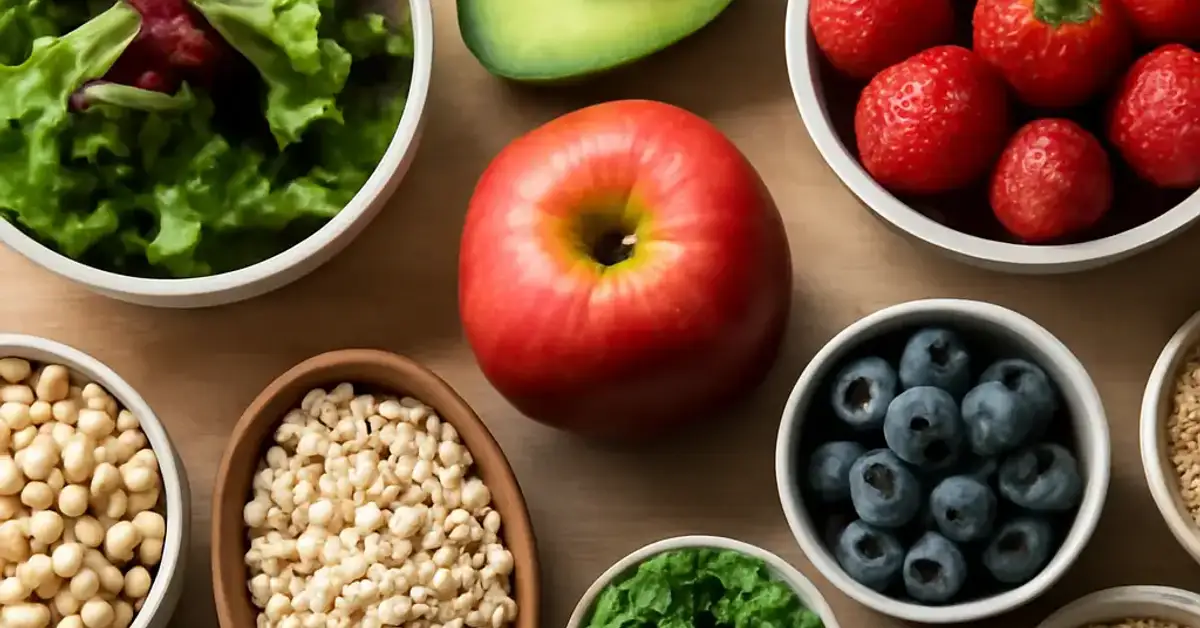
Why Healthy Foods That Taste Great Matter for Your Wellness
When people think of healthy foods, they often imagine bland salads or boring steamed vegetables. The truth is, many of the most nutritious and delicious foods are naturally packed with flavor. The key is knowing which ingredients deliver both taste and nutritional density. Foods like ripe berries, fatty fish, and dark leafy greens offer rich flavors while supporting heart health, brain function, and immune strength.
Prioritizing wellness-supporting flavors means you can enjoy your meals while nourishing your body. Instead of forcing down foods you dislike, seek out whole ingredients that excite your palate. When eating becomes a pleasure rather than a chore, you are far more likely to stick with habits that keep you healthy for the long run.
Top Healthy Foods That Boost Your Wellness Naturally
Below are ten standout ingredients that prove healthy foods can be the most flavorful items in your kitchen. Each entry includes why it works for your body and how to make it taste incredible.
1. Blueberries
Blueberries are tiny but mighty. They are rich in antioxidants called anthocyanins, which fight oxidative stress and support brain health. Their natural sweetness makes them a perfect topping for oatmeal, yogurt, or even a simple dessert. Toss a handful into a smoothie or bake them into whole-grain muffins for a fiber boost without added sugar.
2. Salmon
Salmon stands out among healthy foods for its high omega-3 fatty acid content. These fats reduce inflammation and support cardiovascular and cognitive function. The rich, buttery flavor of wild-caught salmon requires minimal seasoning. Try brushing it with olive oil, lemon juice, and a pinch of sea salt, then grill or bake until flaky. Serve with roasted asparagus for a complete meal that tastes indulgent.
3. Dark Leafy Greens
Kale, spinach, and Swiss chard are packed with vitamins A, C, and K, plus iron and calcium. Their slightly bitter, earthy flavor pairs well with acidic dressings or sautéing with garlic and olive oil. Massaging kale with lemon juice breaks down its tough fibers, making it tender and delicious as a salad base. Adding a handful of spinach to morning eggs or pasta sauce increases nutrient density without altering taste much.
4. Greek Yogurt
Greek yogurt offers double the protein of regular yogurt and contains probiotics that support gut health. The tangy, creamy texture works as a savory base for dips or a sweet treat with berries and a drizzle of honey. Choose plain, full-fat varieties to avoid added sugars. Strain it further to make labneh, a spreadable cheese-like topping perfect for crackers or roasted vegetables.
5. Avocados
Avocados deliver heart-healthy monounsaturated fats, fiber, and potassium. Their creamy, mild flavor makes them incredibly versatile. Mash onto toast with red pepper flakes, blend into smoothies for a velvety texture, or cube into salads. The fat content also helps your body absorb fat-soluble vitamins from other vegetables, turning a simple salad into a nutrient powerhouse.
6. Quinoa
Quinoa is a complete protein containing all nine essential amino acids, plus magnesium and fiber. Its nutty, slightly smoky flavor works well in both savory and sweet dishes. Cook it in vegetable broth instead of water for deeper taste, then toss with roasted vegetables, herbs, and a lemon vinaigrette. For breakfast, try it like oatmeal with cinnamon, chopped nuts, and fresh fruit.
7. Dark Chocolate
Dark chocolate with at least 70% cocoa provides flavonoids that support heart health and improve mood. The intense, slightly bitter sweetness satisfies cravings without the sugar spike of milk chocolate. Enjoy a square or two as an afternoon treat, or shave it over oatmeal and yogurt. Pair with a handful of almonds for a balanced snack that keeps blood sugar steady.
8. Sweet Potatoes
Sweet potatoes are rich in beta-carotene, vitamin C, and fiber. Their natural sweetness deepens when roasted or baked, creating a caramelized exterior. Cut into wedges, toss with olive oil and smoked paprika, then roast at high heat until crispy. You get a satisfying alternative to regular fries with far more nutritional value. They also mash beautifully with a little coconut milk and cinnamon.
9. Almonds
Almonds provide vitamin E, magnesium, and healthy fats that support skin health and reduce inflammation. Their crunchy texture and mild nutty flavor make them an easy snack or topping. Choose raw or dry-roasted without added oils. Sprinkle slivered almonds over salads, stir into stir-fries, or grind them into homemade almond butter without the additives found in store-bought versions.
10. Fermented Foods (Sauerkraut, Kimchi, Kombucha)
Fermented healthy foods are loaded with probiotics that benefit your gut microbiome. Their tangy, pungent flavors add complexity to meals. A small serving of sauerkraut alongside grilled chicken or fish introduces beneficial bacteria and aids digestion. Start with a tablespoon per day and gradually increase to allow your digestive system to adjust. Look for unpasteurized versions in the refrigerated section to ensure live cultures remain active.
How to Incorporate More Healthy Foods Into Your Daily Routine
Adding these wellness-supporting flavors to your diet doesn’t require a complete kitchen overhaul. Small, consistent swaps make a big difference. Begin your day with a handful of blueberries instead of sugary cereal. Swap white rice for quinoa in two dinners per week. Replace processed snacks with almonds and dark chocolate. Over time, these choices become automatic, and your palate adapts to crave real, whole ingredients.
Practical Tips for Flavor Success
Season generously with herbs and spices — cumin, smoked paprika, turmeric, and fresh herbs like cilantro or basil elevate any dish. Roasting vegetables at high heat caramelizes natural sugars, transforming even broccoli into a crispy treat. Never underestimate the power of a well-made dressing: olive oil, lemon juice, Dijon mustard, and a pinch of salt make any green salad irresistible. Batch-prepping ingredients on the weekend means you always have the foundation for a quick, nutritious meal ready to go.
Useful Resources
For more science-backed advice on nutrition, visit the Harvard T.H. Chan School of Public Health Nutrition Source. For recipe inspiration using whole healthy foods, check out EatingWell.
Harvard T.H. Chan School of Public Health — The Nutrition Source
EatingWell — Healthy Recipes and Cooking Tips
Conclusion: Ready to transform your eating habits? Start by adding just two of the healthy foods listed above to your next grocery run. Notice how your energy, mood, and overall wellness improve over the coming weeks. Your body will thank you — and your taste buds will too. Make the choice today to eat deliciously and live vibrantly.
Frequently Asked Questions About healthy foods
What are the healthiest foods in the world?
The most nutrient-dense healthy foods include leafy greens, fatty fish, berries, nuts, seeds, legumes, and whole grains. These foods provide a high concentration of vitamins, minerals, antioxidants, and fiber with relatively few calories.
Can healthy foods really taste as good as junk food?
Absolutely. When prepared properly with herbs, spices, and good cooking techniques, many healthy foods develop deep, satisfying flavors. The key is to emphasize natural sweetness, crunch, and umami through roasting, sautéing, and seasoning rather than relying on added sugar or processed ingredients.
How many servings of vegetables should I eat daily for good health?
Most dietary guidelines recommend at least 5 servings of vegetables and fruits per day. A serving equals one cup of raw leafy greens or half a cup of cooked vegetables. Spreading them across meals makes the goal easier to reach.
What are the best healthy foods for weight loss?
Foods high in fiber and protein help control appetite, such as leafy greens, legumes, lean poultry, fish, eggs, and Greek yogurt. Berries and whole grains also provide volume and nutrients without excess calories, making them excellent for weight management.
Are frozen vegetables as healthy as fresh ones?
Yes, frozen vegetables are often flash-frozen at peak ripeness, preserving their nutrient content. In many cases, they contain higher levels of certain vitamins than fresh produce that has sat on shelves for days. They are a convenient and affordable way to eat more healthy foods.
Which foods are best for gut health?
Fermented foods like yogurt, kefir, sauerkraut, kimchi, and kombucha provide probiotics. Fiber-rich foods such as oats, bananas, garlic, onions, and asparagus act as prebiotics, feeding the beneficial bacteria in your digestive system.
Can I eat healthy foods on a budget?
Yes. Prioritize seasonal produce, buy frozen fruits and vegetables, choose whole grains in bulk, and opt for less expensive protein sources like eggs, beans, lentils, and canned fish. These choices keep meals nutritious without breaking the bank.
What are the healthiest proteins to eat?
Wild-caught salmon, sardines, pasture-raised eggs, skinless poultry, legumes, and tofu are among the top choices. They provide essential amino acids along with beneficial fats, vitamins, and minerals. Variety is key to covering all nutrient needs.
How do I start eating more whole foods?
Begin by replacing one processed item per meal with a whole-food alternative. Swap sugary cereal for oatmeal with fruit, choose a piece of fruit instead of a granola bar, and cook one extra vegetable alongside dinner. Small changes add up quickly.
Are grains considered healthy foods ?
Whole grains like quinoa, brown rice, oats, and barley are excellent healthy foods because they retain their fiber, B vitamins, and minerals. Refined grains, such as white bread and white rice, have lost most of their beneficial nutrients and should be limited.
What is the healthiest cooking oil?
Extra virgin olive oil is widely regarded as one of the healthiest oils due to its high content of monounsaturated fats and antioxidants. For high-heat cooking, avocado oil or coconut oil are more stable and also offer health benefits.
Can I eat fruit every day and still be healthy?
Yes, whole fruits are rich in fiber, vitamins, and antioxidants. Even though they contain natural sugars, the fiber content slows digestion and prevents blood sugar spikes. Aim for 2–3 servings of whole fruit per day as part of a balanced diet.
What are the best snacks that are healthy foods ?
Nuts, seeds, fresh fruit, vegetables with hummus, Greek yogurt, and hard-boiled eggs are portable and satisfying. These options provide protein, healthy fats, and fiber that keep hunger at bay between meals.
How do I make vegetables taste better?
Roast them at high heat (400°F or higher) with olive oil and salt until edges are caramelized. Add garlic, spices, or a squeeze of lemon after cooking. Combining vegetables with a flavorful sauce or dressing also helps mask bitterness.
What are healthy foods for brain health?
Fatty fish rich in omega-3s (salmon, mackerel, sardines), blueberries, turmeric, dark chocolate, and walnuts are all linked to better cognitive function. Leafy greens like spinach and kale also support brain health through their high vitamin K content.
Is it okay to eat eggs every day?
For most people, eating up to one or two eggs per day is perfectly safe and beneficial. Eggs provide high-quality protein, choline, and B vitamins. If you have existing heart conditions, consult your doctor about your specific dietary needs.
What should I drink for better health besides water?
Green tea is rich in antioxidants called catechins that support metabolism and heart health. Herbal teas like ginger or peppermint aid digestion. Kombucha provides probiotics, and bone broth offers collagen and minerals. Avoid sugary drinks.
How can I tell if a packaged food is truly healthy?
Read the ingredient list, not just the front label. Choose products with fewer than five whole food ingredients. Watch for added sugars, hydrogenated oils, and excessive sodium. A short, recognizable ingredient list is a strong indicator of a minimally processed food.
What are the healthiest breakfast foods?
Oatmeal topped with berries and nuts, Greek yogurt with fruit and seeds, scrambled eggs with spinach, or a smoothie made with greens, banana, and protein powder. These meals provide sustained energy and keep blood sugar stable throughout the morning.
Can I get enough protein from plants alone?
Yes, a well-planned plant-based diet can meet all protein needs. Sources include lentils, chickpeas, tofu, tempeh, quinoa, hemp seeds, and edamame. Combining different plant proteins throughout the day ensures you get a complete amino acid profile.